Key Takeaways
What you need to know
- Most people need 1 to 3 sessions spaced about 4 weeks apart.
- Spots darken and flake off over 7 to 14 days after treatment.
- Darker, deeper or more numerous spots take more sessions.
- Daily sunscreen prevents new spots.
Sun spots, also called age spots or solar lentigines, are flat brown spots on the face, hands, chest and shoulders. They are the result of years of UV exposure, and in Utah's high-altitude sun they often appear earlier than people expect. The good news: they are among the easiest pigment concerns to treat.
The short answer
Most people need one to three sessions, spaced about four weeks apart. Light, isolated spots sometimes clear in a single treatment. Widespread sun damage on the chest or hands usually takes a few.
What affects the number of sessions
- Depth and darkness. Deeper or very dark spots need more energy delivered over more visits.
- Area. Spots on the hands and chest tend to respond more slowly than facial spots.
- Skin tone. Medium and darker skin is treated with gentler settings, which can mean an extra session.
- Sun habits. Ongoing sun exposure keeps making new pigment.
Want refreshed, younger-looking skin?
From HydraFacials to laser resurfacing — our team will create a custom skin plan just for you.
What to expect after each session
Treated spots usually look darker for a few days, like coffee grounds on the skin, then flake away over one to two weeks. There is little to no downtime; most people go back to work the same day. Avoid tanning and use sunscreen while the skin heals.
Is it a sun spot or melasma?
This matters. Sun spots respond well to IPL and PICO, but melasma needs a gentler plan and can worsen with heat. If your patches are symmetrical on both cheeks or appeared with pregnancy or birth control, get a proper assessment first. Any spot that is changing, raised, irregular or bleeding should be checked by a physician before cosmetic treatment.
Keeping results
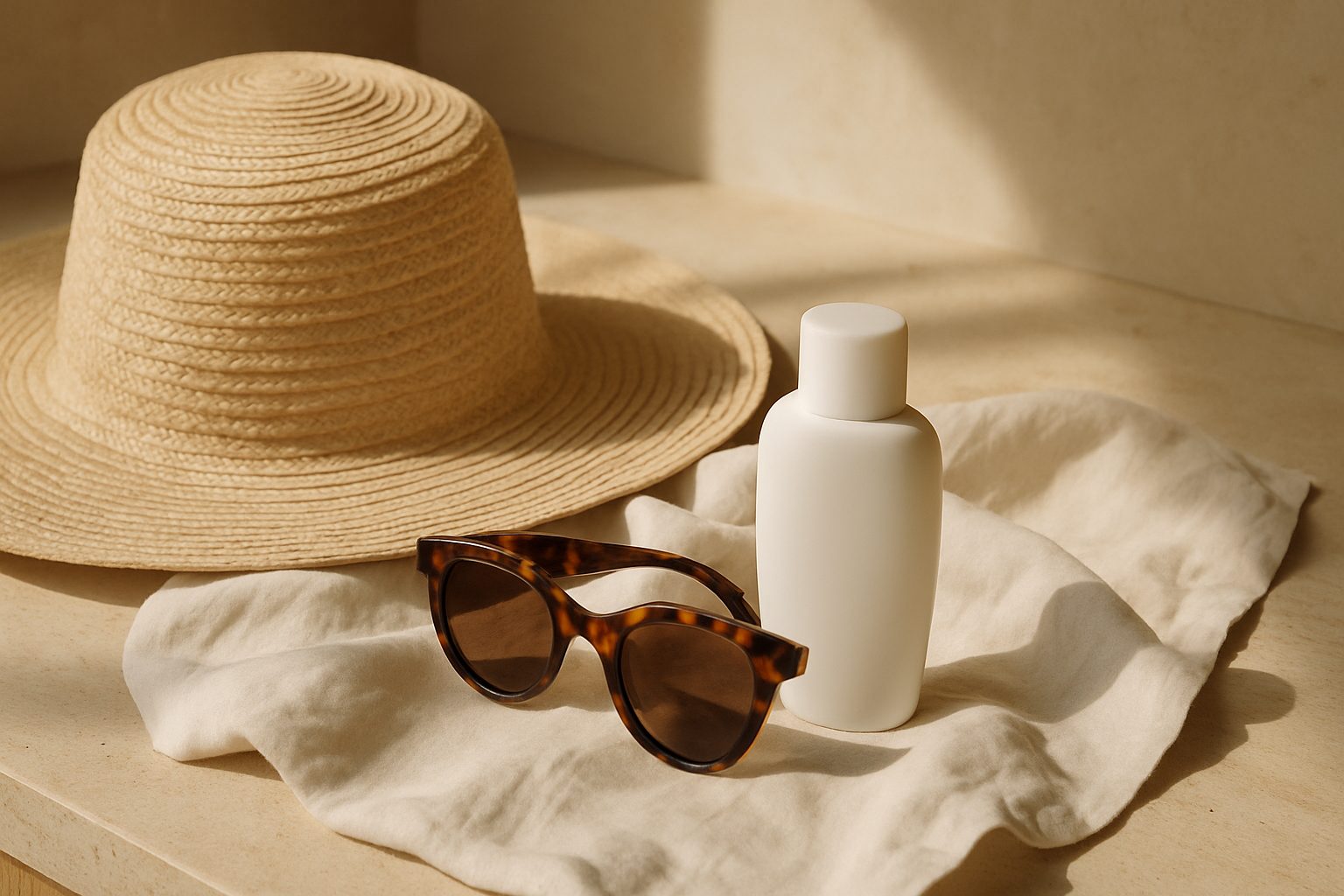
Daily broad-spectrum sunscreen, a hat outdoors and a yearly maintenance session in the fall keep most people spot-free.
Part of our Pigmentation & Skin Clarity guide. For the complete picture, including treatment options, costs and FAQs, read Pigmentation & Skin Clarity: The Complete Utah County Guide.
The Bottom Line
Most sun spots fade in one to three sessions. Here's what affects the number, what the skin looks like in between, and how to keep new spots from forming.

Kenna Graff, FNP-C
Kenna Graff is a Board-Certified Family Nurse Practitioner and Clinical Director at Renova Wellness. She brings expertise in metabolic health, hormone optimization, and regenerative medicine, with a passion for helping patients look and feel their best through personalized treatment plans.
Editorial Process: Initial content ideas and drafts may be generated with the assistance of AI language models. Every article is then thoroughly reviewed, edited, and medically verified by our clinical team before publication to ensure accuracy, relevance, and alignment with current medical standards.
This content is for informational purposes only and does not constitute medical advice. Always consult with a qualified healthcare provider for personalized guidance.