
Key Takeaways
What you need to know
- Muscle loss speeds up with age and accelerates during rapid dieting.
- Protein at every meal and strength training are non-negotiable.
- GLP-1 medications can help but need a muscle-protection plan.
- Medical supervision catches medication and nutrient issues early.
After 60, the goal of weight loss shifts. Losing pounds is only a win if you keep the muscle and bone that protect your balance, metabolism and independence. Crash diets often take muscle with the fat.
Why it gets harder
Adults lose muscle gradually with age (sarcopenia), and lower muscle means a lower resting metabolism. Hormone changes after menopause or with declining testosterone add to the shift toward abdominal fat. Medications, joint pain and sleep issues can also make weight harder to manage.
Protect muscle first
- Protein at every meal. Many older adults do well aiming for roughly 25–35 grams per meal, adjusted for kidney health and your clinician's advice.
- Strength training 2–3 times a week. Bands, machines or bodyweight all count. Consistency beats intensity.
- A modest calorie deficit. Slower loss, about 0.5–1% of body weight per week, preserves more muscle.
- Walk daily. It supports blood sugar and joint health without excess stress.
Struggling with stubborn weight?
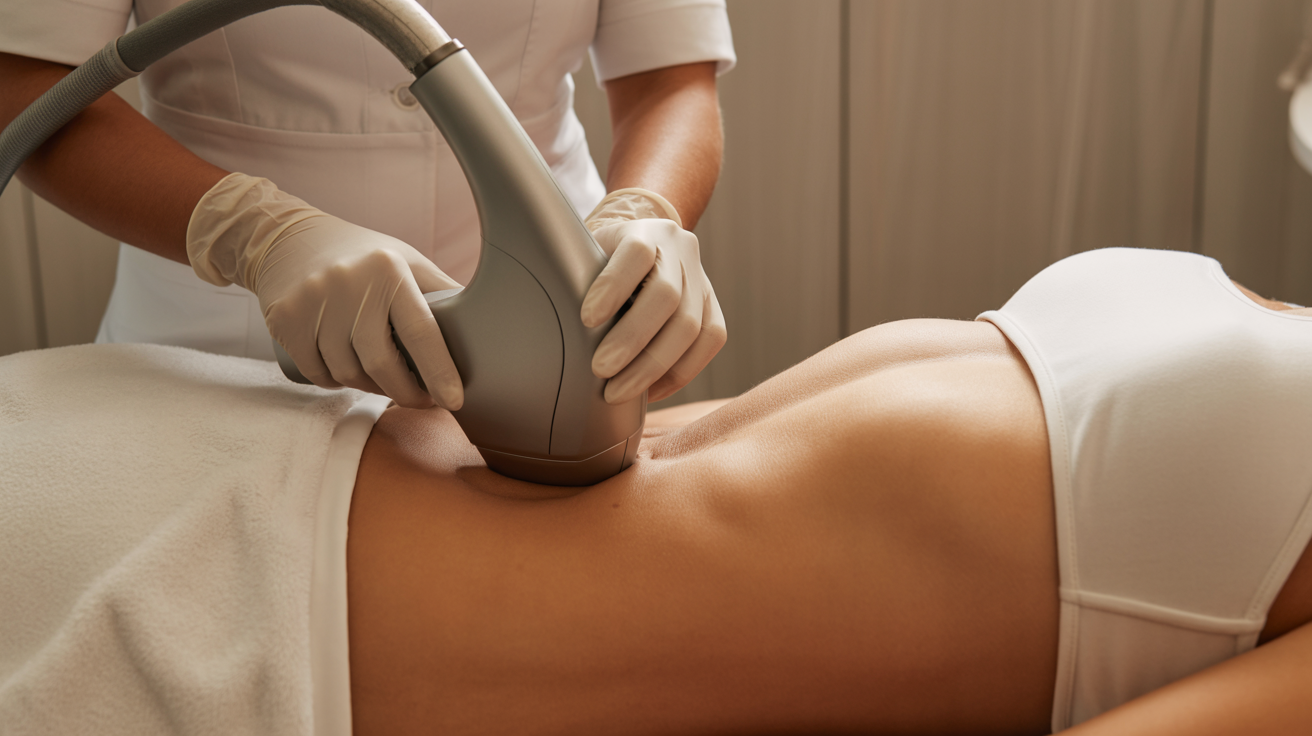
Our medical weight loss programs combine GLP-1 medications, body contouring, and coaching for lasting results.
GLP-1 medications after 60
Medications like semaglutide and tirzepatide can be very effective, but appetite drops so much that some people under-eat protein and lose muscle. We pair medication with protein targets, resistance training and regular check-ins. Read our comparison of semaglutide vs. tirzepatide for more detail.
Check hormones and labs
Thyroid function, vitamin D, B12, blood sugar and sex hormones can all affect energy and weight. Addressing them makes the plan more sustainable.
Getting started
Our medical weight loss program builds a plan around your health history, medications and goals. Combined with hormone support when appropriate, many patients lose fat while feeling stronger.
Part of our Hormone & Metabolic Health guide. For the complete picture, including treatment options, costs and FAQs, read Hormone & Metabolic Health: A Practical Guide for Women and Men.
The Bottom Line
Losing weight after 60 is about protecting strength as much as dropping pounds. Here's how to do it safely, including with GLP-1 medications.

Kenna Graff, FNP-C
Kenna Graff is a Board-Certified Family Nurse Practitioner and Clinical Director at Renova Wellness. She brings expertise in metabolic health, hormone optimization, and regenerative medicine, with a passion for helping patients look and feel their best through personalized treatment plans.
Editorial Process: Initial content ideas and drafts may be generated with the assistance of AI language models. Every article is then thoroughly reviewed, edited, and medically verified by our clinical team before publication to ensure accuracy, relevance, and alignment with current medical standards.
This content is for informational purposes only and does not constitute medical advice. Always consult with a qualified healthcare provider for personalized guidance.