Key Takeaways
What you need to know
- Up to half of postmenopausal women experience vaginal atrophy symptoms.
- Symptoms usually worsen over time without treatment.
- Options range from moisturizers to vaginal estrogen to laser therapy.
- Urinary urgency and frequent UTIs can be part of the same condition.
After menopause, lower estrogen causes the vaginal and urinary tissues to become thinner, drier and less elastic. Doctors now call this genitourinary syndrome of menopause (GSM). It's extremely common, yet many women never mention it to a provider.
Common symptoms
- Vaginal dryness, itching or burning
- Pain or discomfort with intimacy
- Light bleeding after intercourse
- Urinary urgency, frequency or recurrent UTIs
- Mild leakage when coughing or laughing
Treatment options
Moisturizers and lubricants
Regular vaginal moisturizers improve day-to-day comfort, and lubricants help during intimacy. They're a good first step but don't reverse tissue changes.
Vaginal estrogen
Low-dose estrogen creams, tablets or rings restore tissue thickness and moisture. Very little is absorbed into the bloodstream, so it's an option for many women who can't use systemic hormones, though some will still need to discuss it with their oncologist or doctor.
Laser and energy-based therapy
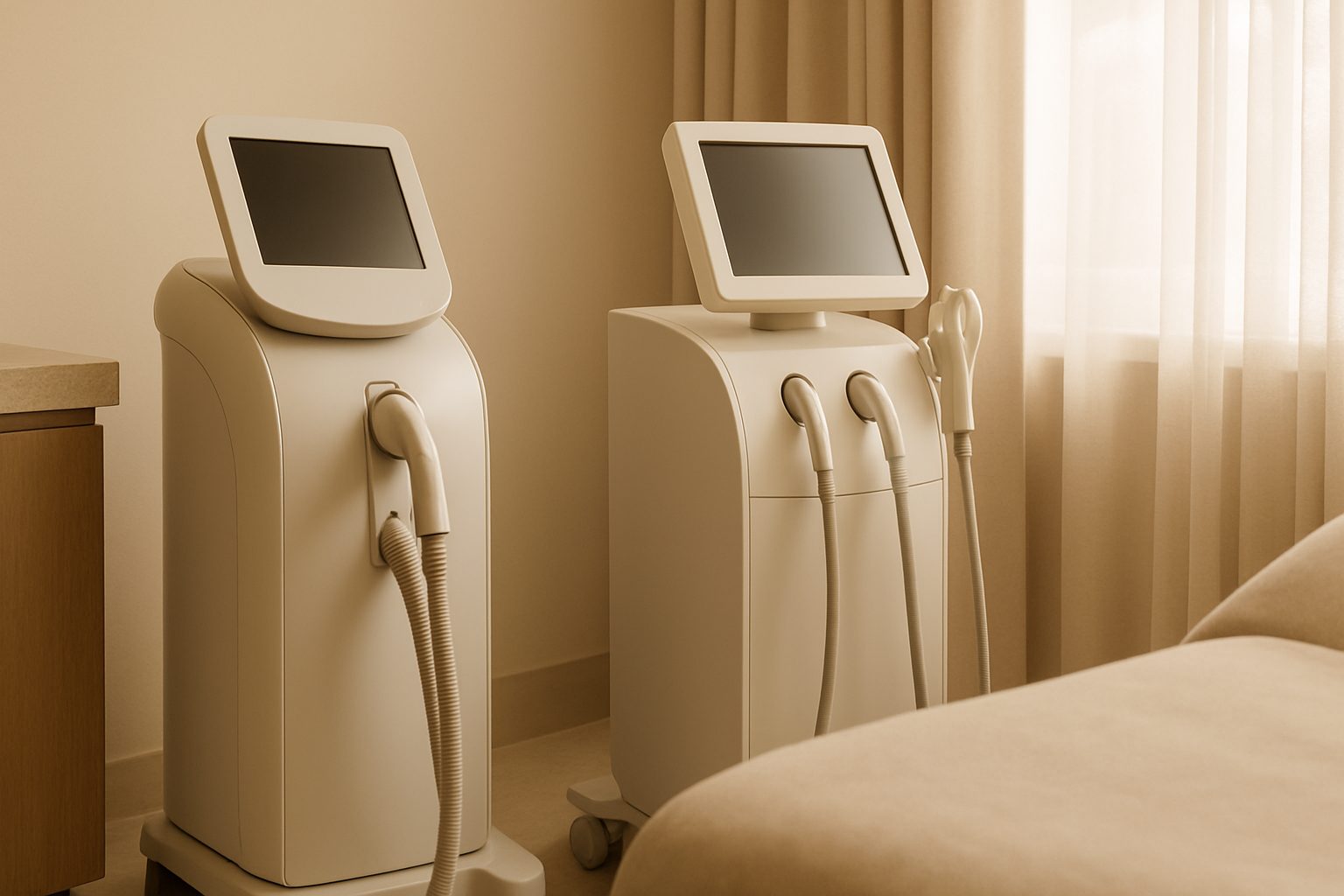
Treatments like MonaLisa Touch use controlled laser energy to stimulate collagen and blood flow in the vaginal tissue. They're a hormone-free option many women choose. Compare them in our MonaLisa Touch vs. vaginal estrogen guide.
Systemic hormone therapy
If you also have hot flashes, night sweats or sleep problems, whole-body hormone therapy may help everything at once. See our hormone balance program.
Intimate health concerns? You're not alone.
Confidential consultations for ED treatment, vaginal rejuvenation, and intimate wellness.
You don't have to live with it
GSM is a medical condition, not just a normal part of aging you have to accept. Learn more on our women's intimacy page and urinary health page, or schedule a private consultation.
Part of our Intimate Wellness guide. For the complete picture, including treatment options, costs and FAQs, read Intimate Wellness: Vaginal Dryness, Atrophy and Treatment Options.
The Bottom Line
Dryness, pain with intimacy and urinary changes after menopause are common and treatable. Here's an honest look at your options.

Kenna Graff, FNP-C
Kenna Graff is a Board-Certified Family Nurse Practitioner and Clinical Director at Renova Wellness. She brings expertise in metabolic health, hormone optimization, and regenerative medicine, with a passion for helping patients look and feel their best through personalized treatment plans.
Editorial Process: Initial content ideas and drafts may be generated with the assistance of AI language models. Every article is then thoroughly reviewed, edited, and medically verified by our clinical team before publication to ensure accuracy, relevance, and alignment with current medical standards.
This content is for informational purposes only and does not constitute medical advice. Always consult with a qualified healthcare provider for personalized guidance.